Welcome to the vibrant world of composting, where food scraps and yard waste become precious 'black gold,' the superhero of sustainable gardening! We're delighted you've joined us here at Daisy's Garden Supplies to embark on a remarkable journey of learning, growth, and green living.
Our blog post today, seeks to illuminate your path in the magical maze of composting. As connoisseurs of everything garden-related, we understand the role composting can play in not just enriching our gardens, but also supporting the Earth’s well-being.
Our aim with this post is twofold:
- First, we want to help you choose your ideal composting partner – the perfect compost bin. We know the market offers a dizzying array of options, so we’ll guide you through the key aspects to consider when picking the perfect compost bin that suits your needs, space, and style.
- Secondly, we aim to demystify the composting process itself. How do you transform kitchen leftovers and garden clippings into nutrient-rich compost? We’ll share practical tips and tricks to make composting a joyful, rewarding part of your gardening routine, whether you're a seasoned gardener or a green-thumbed newbie.
So, let's dive in and get our hands a little dirty as we explore the world of composting together!
Picking the Perfect Compost Bin for Your Garden:
Having a blast with the composting concept but feeling flustered over the range of compost bins out there? Fear not! The composting universe is rich with options, and there's a perfect fit for every gardener's style, space, and sensibilities. Let's delve into the ins and outs of choosing your compost bin soulmate:
- Size and Style Matters First things first, let's talk real estate. The size of your compost bin should match both the amount of waste you produce and the space available in your garden. Have a smaller space but still keen on composting? Try a compact, rotating bin or a worm farm (bonus: worm tea!). If you've got more room to play with, a traditional compost pile or a larger stationary bin might be your go-to.
- Ventilation Venturing Compost loves to breathe, just like us! Ensure your chosen bin has adequate ventilation to keep those beneficial microorganisms happily munching away. Too little air and your compost could become a soggy, smelly mess. Bins with built-in aeration systems or features, such as side vents or a tumbling mechanism, can help maintain a healthy airflow.
- Ease of Use Composting should be fun, not a chore. So consider how easy it is to add materials to your bin, turn the compost (if needed), and extract the finished compost. If bending or manual turning isn’t your thing, elevated tumblers or bins with a bottom access might make your composting journey smoother.
- Material Considerations From plastic to metal and even wood, compost bins come in a variety of materials. Each has its pros and cons. Plastic bins are lightweight, easy to move, and often affordable, but they may not last as long. Metal bins can be sturdier and more durable but may be prone to rust. Wood bins have a natural look many gardeners love, but they might decompose over time.
- Creature Comforts If your yard is prone to visits from curious critters, you'll want to opt for a compost bin with a secure lid and a base, or a design that minimises access points for wildlife. And if your compost will be predominantly kitchen waste, consider a bin that accommodates for a worm farm, ensuring quicker and smell-free decomposition.
- Aesthetically Pleasing Let's face it, your compost bin is going to be part of your garden decor. Whether you want it to blend in or stand out, there's a compost bin out there that's got the look you're after. From rustic wooden crates to sleek, modern tumblers, pick a bin that you'll be proud to call your own.
Ready to rock the rot but feel it's too complex?:
1: Pick your style!
Pick a style and a spot Your backyard size should be the bouncer at the club deciding whether you're 'composting bin' or 'garden compost pile' material. If your backyard is cozier corner than wide-open space, static or tumbling composting bins are your new best friends.
Composting for Dummies: Bin Edition If you're living large, consider a garden compost pile or bay, or multiple bays for compost at various levels of 'rot readiness.'
Composting for Dummies: Bay Edition Locate a shady nook in your yard so your compost material doesn't turn into a desert.
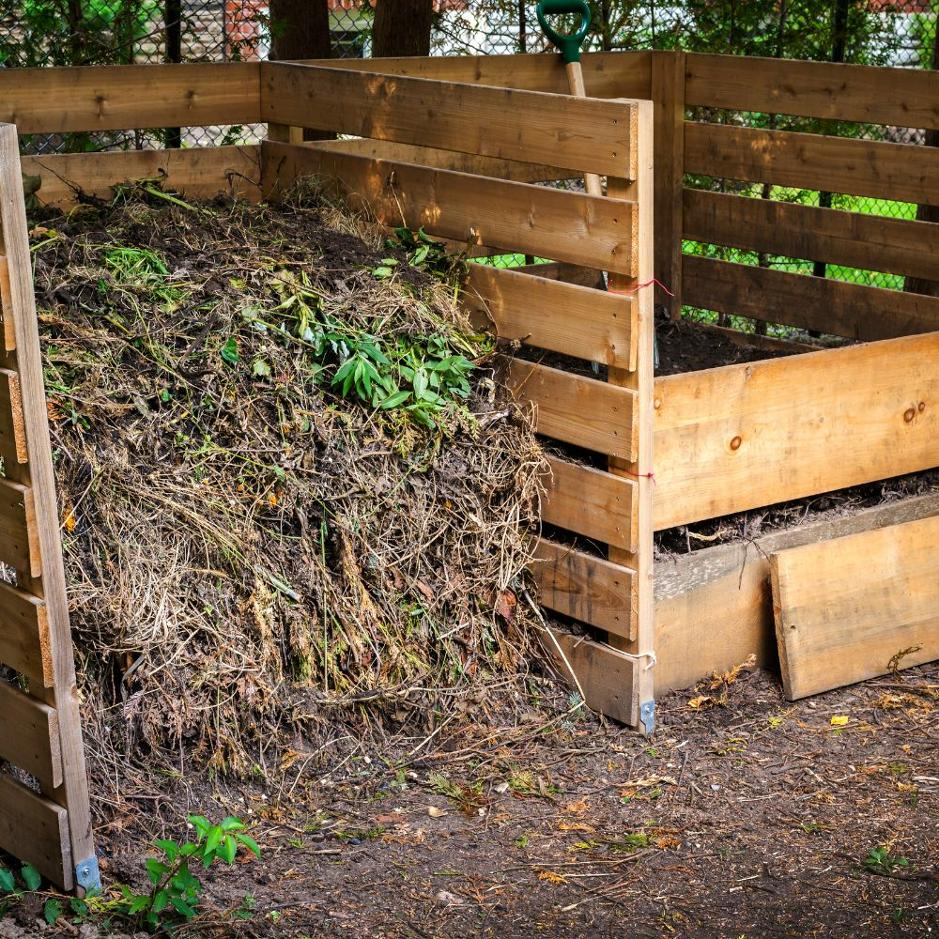
2: What is compostable
What is Compostable:
Know what's compostable What goes in your compost bin or pile can be divided into the 'greens' and the 'browns.'
- Green materials are your fruit and veggie scraps, used tea and coffee grounds, crushed eggshells, grass clippings, green plant trimmings, retired flowers, and certain weeds.
- Brown materials are your straws, papers, cardboards, dried leaves, woody clippings, and sawdust (from untreated wood).
What is not Compostable:
Know the composting no-nos...
- Steer clear of diseased plants, pet poop (except chicken droppings), cooking fat, glossy paper, seed-ridden weeds, treated timber, and large branches in your compost bin.
- Many composting connoisseurs advise against adding meat and bones unless your composting setup is more 'industrial scale' than 'backyard hobby.'
3: Master the layer cake:
Be it compost bin or garden compost pile, layering your compost is like crafting the perfect sandwich. Start with a hearty layer of twigs, mulch, or old potting mix for air circulation and drainage. Alternate layers of green and brown material — envision garden clippings and kitchen scraps, followed by leaves and damp paper.
- Composting 101: The Layer Cake Just like any good cake, moisten each layer. Top it with a layer of soil or mature compost to act like a lid on any unwanted smells.
Smaller the pieces, faster the decay, remember that! In the compost layering game, try to achieve a two-to-one ratio of brown material to green. Give your compost a fork-tousle every week or two. Or, insert garden stakes or plastic pipes through the heap for some much-needed air. Covering the compost helps retain its inner warmth and moisture, the lifeblood of the composting process.
4: Collection of Compost:
Time to harvest your 'black gold' Your compost is ready for the big leagues when it turns a rich brown colour and crumbles at the slightest touch. Depending on the size of your composting setup, this could take a few months.
Compost is like the ultimate multivitamin for your soil, enriching it with nutrients and helping it retain water. It also reduces the need for fertilizers and supercharges your plants' disease-fighting abilities.
You might even realise that setting up a garden composting system sheds new light on the amount of food we waste, making you reassess your grocery list.
So there you have it! You're all set to be the composting champ your backyard deserves. Happy composting!
Exploring Alternatives: The Case for Purchasing Premium Compost
While DIY composting is a rewarding endeavor, purchasing ready-to-use, high-quality compost offers its own set of benefits. Whether your gardening project is large-scale, you're pressed for time, or you're looking for a specific nutrient profile, buying compost can be a great solution. At Daisy's, we're proud to offer two exceptional compost products that stand out in the market: Mushroom Compost and Revive Compost.
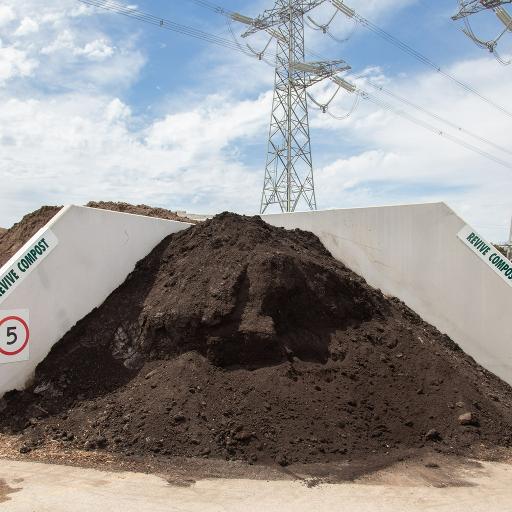
Mushroom Compost Our Mushroom Compost is the result of the mushroom farming industry's organic material composting. Once the mushrooms are harvested, the nutrient-rich substrate is repurposed as compost. It's an excellent way to improve your soil structure, enhancing aeration and drainage while increasing water retention capacity. It's also rich in nutrients, albeit somewhat depleted after mushroom cultivation, and it offers some resistance to pests and diseases. Environmentally speaking, using Mushroom Compost is a brilliant way to reduce agricultural waste. With a mildly alkaline pH, it can help neutralise overly acidic soils. Want to dive deeper into Mushroom Compost? Check out our in-depth article or explore Daisy's industry-leading Mushroom Compost for your next project.
Revive Compost Our Revive Compost is a top-tier compost crafted from recycled green waste and composted animal manure. This product meets and exceeds the Australian Standard AS4454, ensuring consistency, transparency, and environmental responsibility. Revive Compost is nutrient-rich and particularly effective in enhancing soil biodiversity, introducing beneficial microorganisms that support nutrient cycling. Much like Mushroom Compost, Revive improves soil structure and water retention. With a neutral pH, it's suitable for a wide range of plants. Choosing Revive Compost means choosing a reliable, eco-friendly gardening solution. Check out our in depth comparison article between our mushroom and revive composts to determine which one is right for you.
As we wrap up our exploration into the fascinating world of composting, we hope you're feeling inspired and equipped to either begin or enhance your composting journey. Remember, whether you're crafting your own compost at home or opting for Daisy's high-quality Mushroom or Revive Compost, every bit of effort counts toward greener gardens and a healthier planet. The magic of composting lies not just in turning waste into nourishment but also in the joy of participating actively in the natural cycle of life. Composting enriches not just the soil in your garden but your understanding and appreciation of nature’s remarkable systems.
At Daisy's Garden Supplies, we're passionate about sustainable gardening practices. We offer an array of composting products to meet every gardener's needs, whether you’re just beginning or are a seasoned green thumb.
Remember, gardening isn't a one-size-fits-all hobby. Your journey with composting will be unique, just like your garden. Enjoy the process, learn from it, and, most importantly, have fun. Your garden is your canvas. Let composting be the palette that brings your masterpiece to life. Happy composting, and here's to a greener, healthier world!