This article is presented by Daisy’s Garden Supplies - offering a diverse range of mulches for all your gardening needs.
What is Mulch?
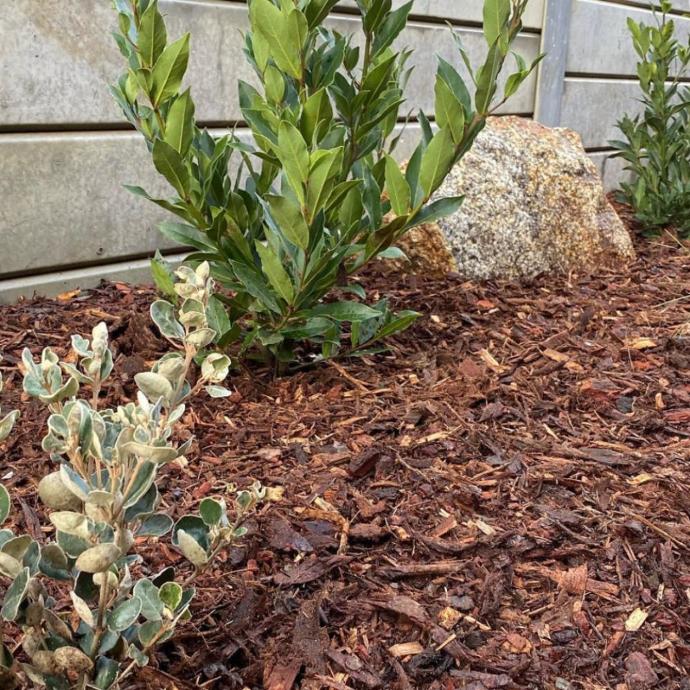
Mulch is a protective layer spread over the soil to retain moisture, suppress weeds, and improve soil health. It can be made from various materials, including bark chips, hay, grass, leaves, and even inorganic substances. Mulch is predominantly made from bark chips, offering better water retention and a protective layer against harsh weather conditions. It's ideal for gardening, providing a cohesive look for garden beds.
Discover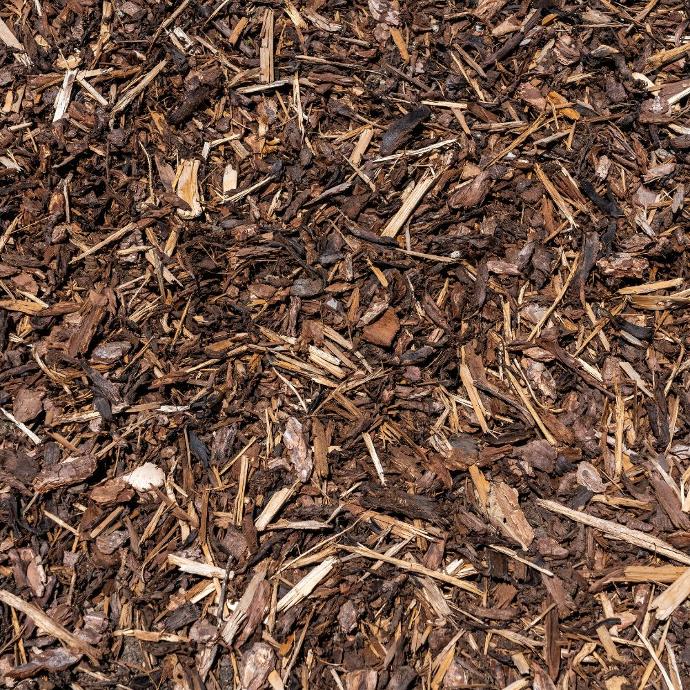
What are Wood Chips?
Wood chips are chipped portions of wood, typically derived from the interior parts of trees, such as branches or trunk wood. They are generally bulkier and provide a natural forest-floor look, making them suitable for perennials, shrubs, and trees. Wood chips are often used in landscaping for their aesthetic appeal and their ability to retain moisture, suppress weeds, and regulate soil temperature.
Comparison: Mulch Versus Wood Chips:
1. Bulkiness:
- Wood Chips:
- Originating from larger portions of trees, wood chips are generally more substantial and provide a more rustic appearance.
- Their bulkiness can make them less suitable for delicate plants but excellent for areas where a robust ground cover is needed.
- Mulch:
- Mulch, especially when made from finer materials like shredded bark or leaves, is lighter and can conform more easily to the contours of a garden bed.
- Its finer texture allows for a smoother appearance, making it ideal for ornamental gardens.
2. Water Retention:
- Wood Chips:
- Due to their bulkier nature, wood chips may not hold onto moisture as effectively. This can be beneficial in areas prone to waterlogging or where plants prefer drier conditions.
- Mulch:
- Mulches, especially those made from bark chips, have superior water retention capabilities. This ensures that the soil beneath remains moist, benefiting plants that require consistent moisture.

3. Preparation & Origin:
- Wood Chips:
- Derived from the interior parts of trees, often from branches or trunk wood.
- They provide a more natural forest-floor look, mimicking the environment under trees.
- Mulch:
- Mulch can be made from various organic materials, including bark chips, hay, grass, and leaves. There are also inorganic mulches like pebbles or plastic sheeting.
- The variety in mulch types allows gardeners to choose the best type suited for their specific garden needs.
4. Variety & Versatility:
- Wood Chips:
- Typically come from a singular source – the interior of trees.
- Their uniform appearance can be both an advantage and a limitation, depending on the desired aesthetic.
- Mulch:
- Offers a broader spectrum of varieties, from organic materials like bark and leaves to inorganic ones like pebbles or rubber.
- This variety allows for more flexibility in garden design and function.
5: Weed Protection: Mulch vs Wood Chips
Mulch:
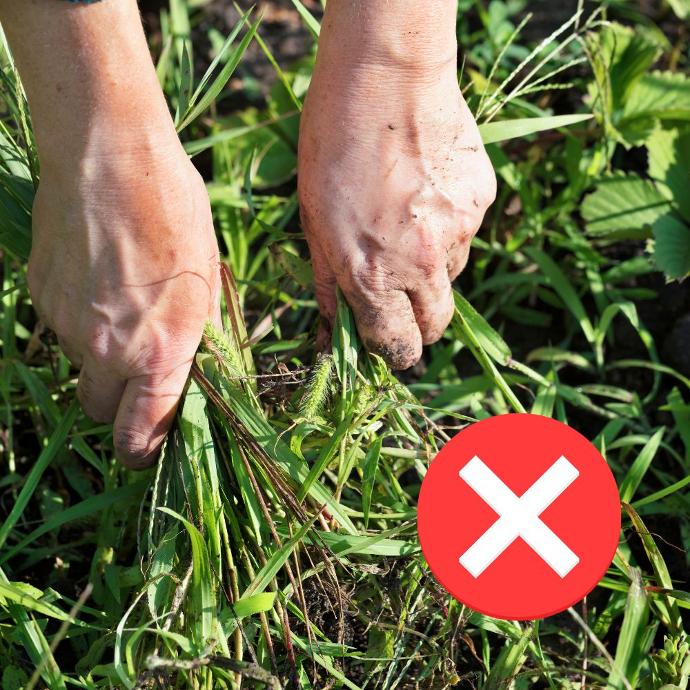
- Offers superior weed suppression.
- Effectiveness varies with type; finer mulches often better.
- Requires reapplication as it decomposes for consistent weed control.
Wood Chips:
- Provides a natural look with good weed suppression.
- Thickness of application is crucial; thicker layers (4-6 inches) are more effective.
- Slower decomposition means longer-lasting protection but may need replenishment over time.
6. Texture & Protection:
- Wood Chips:
- They are generally softer to touch, given their origin from the interior parts of trees.
- While they can provide a protective layer, their softer nature might not offer as much protection against harsh weather conditions as some mulches.
- Mulch:
- Mulch, especially bark-based mulch, has a tougher texture. This texture can provide a protective layer against harsh weather conditions, erosion, and even pests.
7. Uses & Aesthetics:
- Wood Chips:
- Best suited for perennials, shrubs, and trees, providing a more natural forest-floor look.
- They can also be used in pathways or recreational areas due to their sturdier nature.
- Mulch:
- Ideal for ornamental gardening, offering a cohesive look for garden beds.
- Provides superior benefits over wood chips in terms of weed suppression, moisture retention, and can even enhance soil fertility over time.
8. Decomposition & Soil Health:
- Wood Chips:
- Decompose slower than many mulches, which can be both an advantage (less frequent replacement) and a disadvantage (slower nutrient release).
- Mulch:
- As it decomposes, especially organic mulch, it releases nutrients into the soil, enhancing soil health and benefiting plant roots.
9. Cost & Availability:
- Wood Chips:
- Often inexpensive, especially if sourced from local tree trimming activities.
- Some gardeners even create their own wood chips using fallen branches.
- Mulch:
- The cost can vary based on the type of mulch and its source. Some organic mulches, like compost or grass clippings, can be made at home, while others might need to be purchased.

10. Environmental Impact:
- Wood Chips:
- Typically have a lower environmental footprint, especially if sourced locally.
- However, if not sourced sustainably, they can contribute to deforestation.
- Mulch:
- The environmental impact varies. Organic mulches are generally eco-friendly, but inorganic mulches, especially plastic-based ones, can have a more significant environmental footprint.

The Mulch We Provide:
At Daisy’s Garden Supplies, we offer a diverse selection of mulches tailored to meet various gardening needs. From the vibrant Red Wood Mulch, produced from recycled pine and hardwood, to the safety-certified Playsafe Mulch ideal for playgrounds, and the eco-friendly Watersaver Mulch that enhances soil health. Each of our mulches is designed to suppress weeds, retain moisture, and regulate soil temperature, ensuring your garden remains vibrant and healthy. For a detailed look at our offerings and to determine the best fit for your garden, visit our mulch category page.