Mushroom compost is a nutrient-rich soil
conditioner made from spent mushroom-growing material. It's excellent for vegie
gardens and most garden beds, but it's mildly alkaline and can carry a fair bit
of salt, so it's not right for every plant or every job. Here's what it
actually does, where to use it, what to watch out for, and how to apply it
properly.
What Is Mushroom Compost and How Is It Made?
Mushroom compost is what's left over after mushrooms have been commercially grown. Daisy's Mushroom Compost is produced by composting straw, wood shavings, manures, gypsum and peatmoss, the same base ingredients used to grow the mushrooms in the first place. Once the mushrooms are harvested, that spent growing material is composted further and repurposed as a soil conditioner rather than going to waste.
Mushroom Compost Benefits
● Improves soil structure and friability, making it easier for roots to spread
● Improves water retention while still allowing good drainage
● Supplies nitrogen, phosphorus and potassium as it breaks down
● Boosts beneficial soil microbiology
● Can help plants build resistance to some diseases and pests
● An eco-friendly option that repurposes an agricultural byproduct rather than sending it to landfill
pH and Mushroom Compost
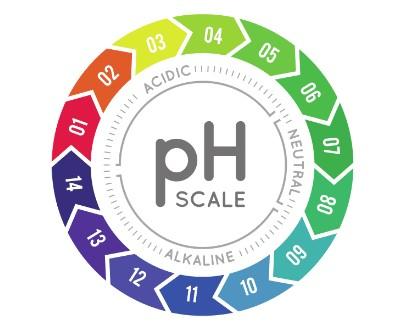
Mushroom compost typically sits on the slightly acidic to mildly alkaline side with a pH between 6-8. That mild alkalinity is exactly why it works well worked into acidic soils, but it's also why it's not the right choice everywhere, see below.
Things to Watch Out For
Mushroom compost can carry a moderate level of soluble salts and tends toward the alkaline side. In practice that means:
● Go easier on salt-sensitive plants like azaleas, camellias and rhododendrons, which prefer more acidic soil.
● Don't over-apply. Working it through as one part of your soil mix, rather than using it as the entire growing medium, avoids any salt or pH build-up over time.
● If you're planting straight after applying it, a light watering-in helps flush through any excess salts before seedlings go in.
Using Mushroom Compost in the Vegie Garden
Vegetable gardens are where mushroom compost earns its keep, most vegies want the nutrient boost and improved structure it provides, and it plays well with tomatoes in particular, which appreciate the improved drainage and steady nutrient release.
How to use it:
1. Clear the bed of old plant material and weeds.
2. Spread a layer of mushroom compost over the bed.
3. Dig it through the top 15-20cm of soil.
4. Water in well before planting.
5. Leave it to settle for a week or two if you can, especially for salt-sensitive seedlings.
6. Plant as normal.
7. Top up with a fresh layer each new growing season rather than replacing the whole bed.
Building a whole new vegie bed rather than topping up an existing one? Our Vegie Mix is formulated specifically for that job and blends mushroom compost in as one of its ingredients.


Can you use Mushroom Compost for lawns?
Not as a top dressing. Mushroom compost's texture and salt content make it a poor choice for spreading directly over an established lawn. If you're improving the soil before laying new turf or seed, Lawn Mix is the better-suited product, it's formulated specifically for that job.
Frequently asked questions
Here are some common questions about our Mushroom Compost .
It's best used in moderation around acid-loving plants like azaleas, camellias and rhododendrons, since its mild alkalinity works against what those plants prefer. For most vegetable gardens and general garden beds, it's a genuine benefit.
Yes. Tomatoes respond well to the improved soil structure, drainage and steady nutrient release mushroom compost provides.
Yes, dug through the surrounding soil rather than piled against the base of the plant.
The advantages: better soil structure, improved water retention, added nutrients and a genuinely eco-friendly source. The disadvantages: it's mildly alkaline and can carry moderate salt levels, so it's not suited to acid-loving plants, lawns, or heavy, undiluted application.
Get Your Mushroom Compost Sorted
Daisy's stores across Melbourne and Geelong stock Mushroom Compost in bulk and 20L bags. Order online, use our volume calculator to work out how much you need, and check our delivery service for options straight to your door.