Mulch sits on top of your soil. Compost gets worked into it. Mulch's job is to protect and insulate; compost's job is to feed. Most Melbourne, Geelong and Surf Coast gardens do best with both, not one instead of the other. Here's how to tell them apart, when to reach for each, and which of Daisy's mulches and composts will suit your garden.
What Is Mulch?
Mulch is anything you spread over the surface of your soil. It can be organic, like wood chips, bark or straw, or inorganic, like scoria or pebbles. Either way, its job is the same: hold moisture in, keep weeds down, even out soil temperature, and tidy up a garden bed.
Organic mulch breaks down over time and adds a little goodness back into the soil as it goes, but that's a slow side-effect, not the main event. Inorganic mulch never breaks down at all, so it won't feed your soil no matter how long it sits there.
Quick tip: a mulch layer of roughly 50-75mm strikes the right balance between weed suppression and letting rain and air still reach the soil.
What Is Compost?
Compost is fully decomposed organic matter: garden trimmings, food scraps and manures that have broken down through microbial activity into something dark, crumbly and nutrient-dense. Where mulch protects the surface, compost builds the soil underneath it.
Dig compost into your beds, or spread it as a top-dress and let the worms do the work, and you're feeding soil structure, nutrient availability and the microbial life that keeps a garden healthy long-term.
Mulch vs Compost: The Key Differences
|
Mulch |
Compost |
|
|
Where it goes |
On top of the soil |
Mixed in (or top-dressed) |
|
Main job |
Retains moisture, suppresses weeds, insulates roots |
Feeds soil, improves structure, boosts microbial life |
|
Breaks down? |
Slowly if organic; not at all if inorganic |
Already broken down |
|
Adds nutrients? |
A little, eventually |
Yes, straight away |
|
Best used |
Around established plants, garden beds, playgrounds |
Before planting, or worked into tired soil |
Do You Need Mulch, Compost, or Both?
Most garden beds do best with both, used for different jobs.
1. Start with compost. Dig it through the soil before you plant, or spread it as a top-dress around established plants. This is where the nutrition happens.
2. Finish with mulch. Spread a layer over the top once your compost is in. This locks in the moisture and stops weeds moving in on all that freshly-fed soil.
Short on time or budget and can only manage one before summer? Make it mulch — it's what keeps moisture in the ground once the heat sets in. Compost is the better spring or autumn job, when you've got time to dig it through before planting season.
Daisy's Mulch Range
Available in bulk by the cubic metre, or in 50L bags for smaller jobs:

Dyed red recycled pine and hardwood, for a bolder garden bed colour.

Dyed black recycled pine and hardwood, for a bolder garden bed colour.

Made from tree lopping and pruning offcuts, a solid all-rounder for organic gardening.
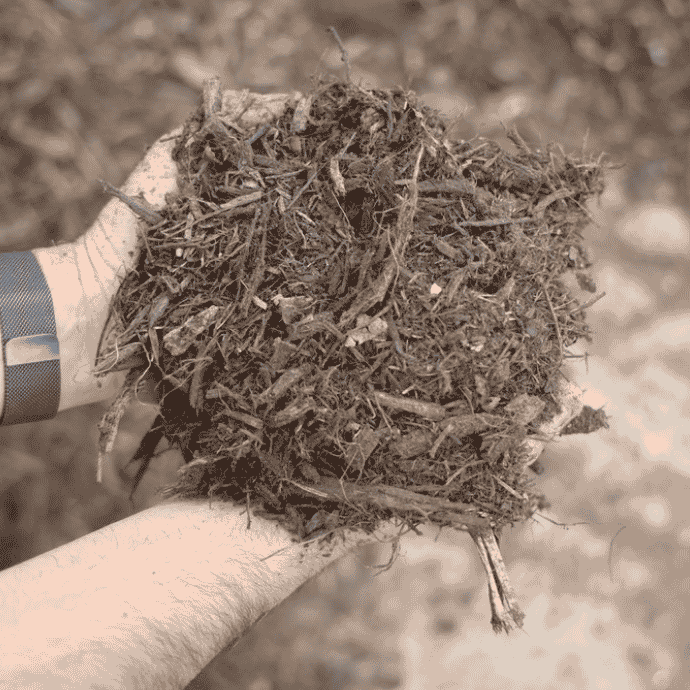
A coarser, dark natural mulch made from ground hard greens. Despite the name, it's not necessarily made from eucalyptus.
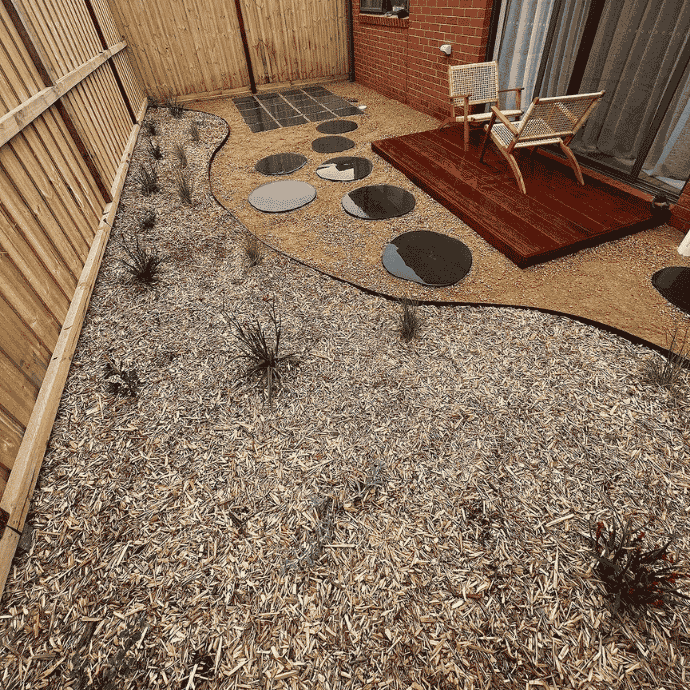
A fine, screened recycled wood mulch. Currently only available at our Torquay store.

Excellent for retain soil moisture by reducing evaporation.

A certified soft fall mulch, perfect for playgrounds, combining safety with
aesthetic appeal.

Pea Straw Farm Bale and Sugar Cane Mulch Bale
Bale mulches that break down to add organic matter as they go.

Want more detail on picking between them? Our full guide to picking the best mulch covers it.
Our Composts:

One of our most popular soil conditioners. Everything mushroom compost can do for your soil is covered in full over there.

Made from recycled green waste and composted animal manure, conforming to the AS4454 Australian Standard. Boosts organic matter, moisture retention and soil microbiology in vegie patches and lawns alike. Curious how it compares to Mushroom Compost? We've done the comparison.
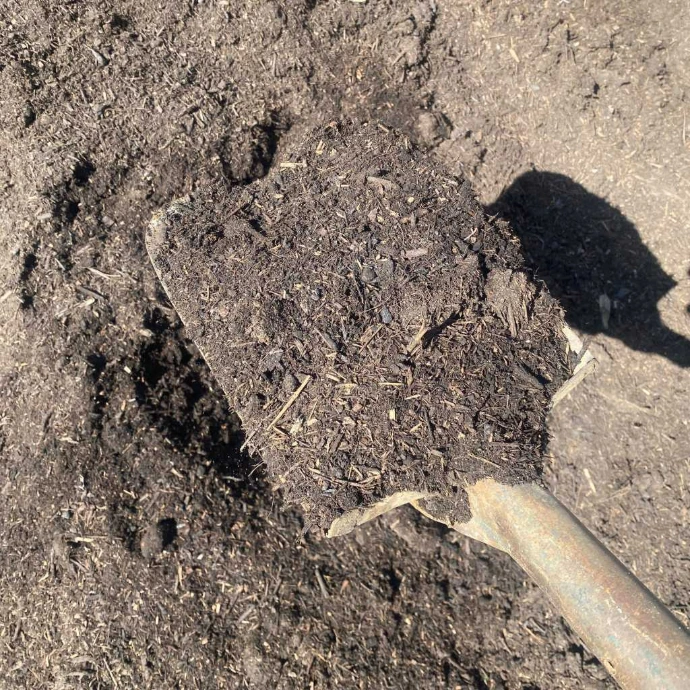
Ground and composted garden trimmings, screened, and suited to both sandy and clay soils, sitting at a pH of roughly 6.5-8.
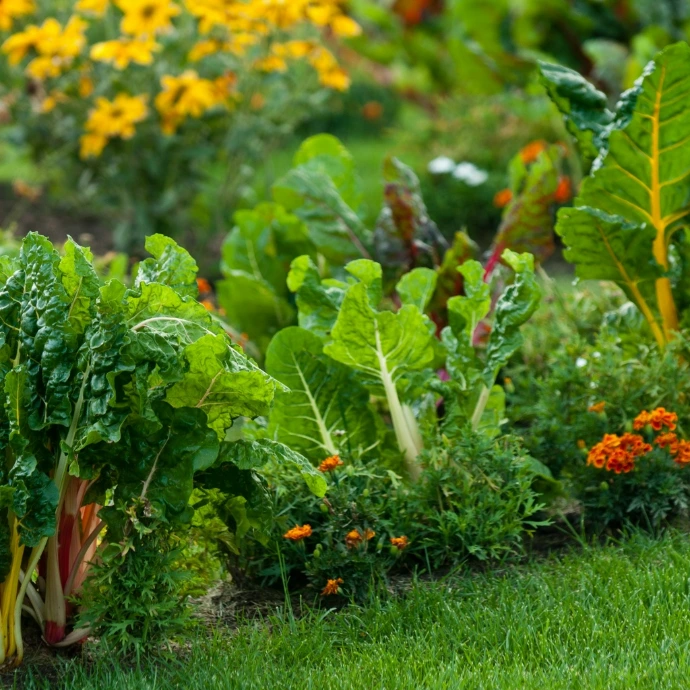
Not a straight compost, but worth knowing about: a blend of mushroom compost, manures and organic matter designed specifically for vegetable beds and new garden beds. Not intended as a top-dressing - use turf sand or washed sand for that job instead.
All our composts and mulches are naturally sourced or recycled, so expect some natural variation between what you see online and what turns up on the truck. If you'd like to check colour and texture before you order, drop into your nearest store.
Frequently asked questions
Here are some common questions about mulch and compost.
No. Mulch sits on top of the soil to protect it; compost is decomposed organic matter you mix in (or top-dress) to feed it. See the comparison table above for the full rundown.
Not quite. Manure is a raw or partly broken-down animal product - high in nutrients, but sometimes too concentrated to use straight onto plants. Compost is fully decomposed, and can include manure as just one ingredient. Revive Compost, for example, is made from composted animal manure and recycled green waste together, so you get the benefit without the risk of burning your plants.
No. Potting mix is a lighter, more free-draining blend designed for pots and containers, where drainage and root aeration matter more than raw nutrition. Compost is denser and richer, and best used in garden beds and open soil rather than pots.
Yes, and it's usually the best result. Work compost into the soil first, then finish with a layer of mulch on top. You get the nutrition from the compost and the moisture retention and weed suppression from the mulch.
Organic mulch will slowly break down over time, adding a small amount of organic matter to the soil beneath it as it does. But it takes far longer than a proper compost, and it isn't doing the same concentrated feeding job while it's sitting there as mulch.
Get the Right Mix for Your Garden
Whether you need a trailer load of pine bark before the summer heat or a few bags of Revive Compost to get a new vegie patch started, Daisy's stores across Melbourne, Geelong and Torquay carry the full range in bulk and bagged sizes. Shop our mulch range or shop our soils and composts range online, or drop into your nearest store and our team will help you get the mix right for your soil.