Mulch feeds your soil as it breaks down, but needs topping up every every year or two. Rock never breaks down and barely needs touching once it's down, but it won't do a thing for your soil, and it holds heat. Neither one is "better" outright, it depends on what you need the ground cover to do. Here's how they compare, and what Daisy's stocks of each.
What Rock and Mulch Have in Common
Both are ground covers, and both do a similar basic job: retain soil moisture, suppress weeds, even out soil temperature, help prevent erosion, and tidy up the look of a garden bed. Where they differ is in how long they last, what they cost over time, and what they do to the soil underneath.
The Case for Mulch
Pros:
● Feeds the soil as it breaks down, adding organic matter and nutrients
● Improves rainwater infiltration and cuts down on evaporation
● Insulates roots — keeps soil warmer in winter, cooler in summer
● Reduces soil compaction over time
Cons:
● Breaks down, so it needs replacing every 1-2 years years depending on the type and thickness
● Piled too thick, it can hold too much moisture against stems and trunks and cause rot
● Can occasionally host weed seeds that land in the organic material
Quick tip: the best time to mulch in most of Victoria is fresh spring or into autumn, while the soil still has some moisture in it rather than after it's already baked dry over summer.
The Case for Rock
Pros:
● Doesn't break down, so it's a set-and-forget ground cover
● More cost-effective long-term since it's not replaced every few years
● A sensible choice in bushfire-prone areas, since it won't burn
● Heavier rock is excellent at holding garden beds together in windy, exposed spots
Cons:
● Holds heat, which can stress nearby plants in summer
● Debris (leaves, twigs) needs to be cleaned out from between the stones
● Removing or rearranging it later is a much bigger job than raking off mulch
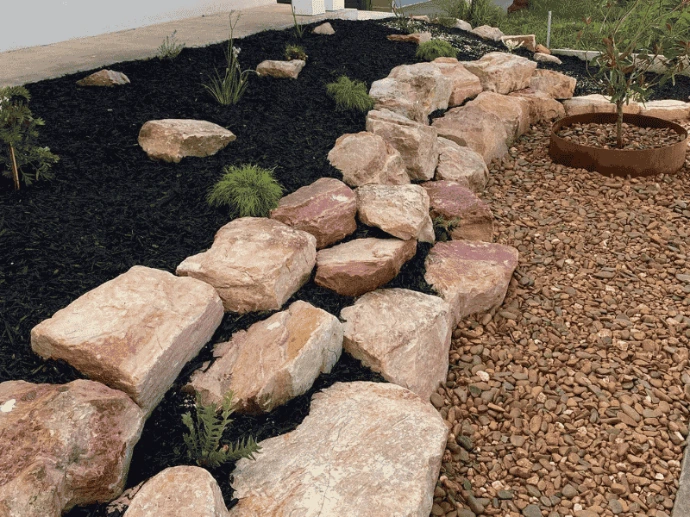
Rock vs Mulch: Quick Comparison
|
Mulch |
Rock |
|
|
Lifespan |
1-4 years before it needs replacing |
Effectively permanent |
|
Feeds the soil? |
Yes, as it breaks down |
No |
|
Upfront vs long-term cost |
Lower upfront, ongoing replacement cost |
Higher upfront, close to nothing after that |
|
Heat |
Insulates, keeps soil cooler in summer |
Absorbs and holds heat |
|
Bushfire-prone areas |
Not recommended close to the house |
A safer ground cover choice |
|
Best for |
Garden beds, veggie patches, feeding tired soil |
Low-maintenance zones, dry gardens, fire-conscious areas |
So Which Should You Choose?
If your soil needs help, mulch wins. It's doing double duty: protecting the surface and feeding what's underneath. If you want a low-maintenance zone you won't have to think about again for years, or you're in a bushfire-prone area and want to keep organic material away from the house, rock is the better call.
Plenty of gardens use both: mulch in the garden beds and veggie patches where the soil needs feeding, rock in pathways, dry zones and low-maintenance borders where longevity matters more.
Daisy's Mulch Range
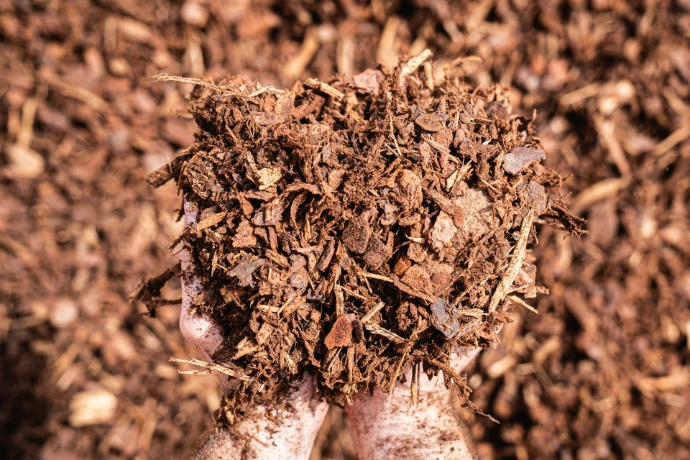
the classic, natural-look mulch. Available in a 10mm and 20mm.
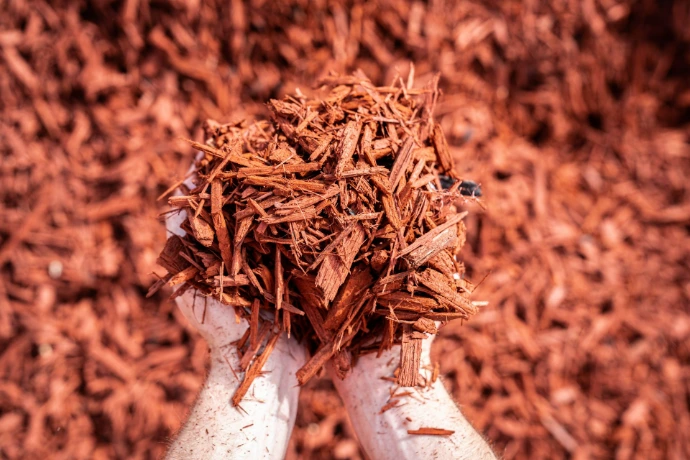
Red dyed recycled pine and hardwood, for a bolder garden bed colour.
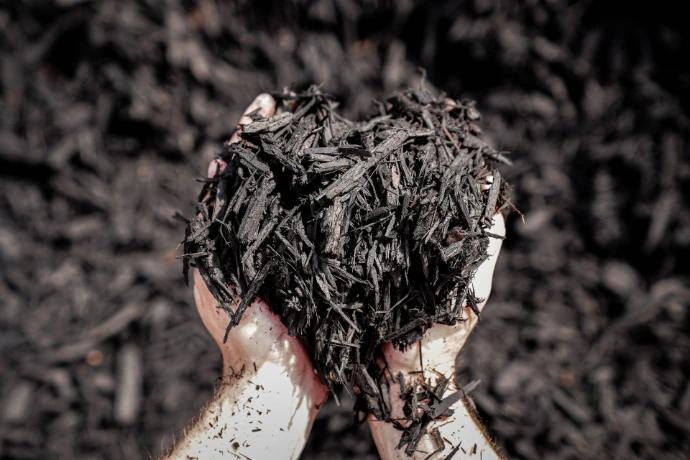
Black dyed recycled pine and hardwood, for a dark garden bed colour.
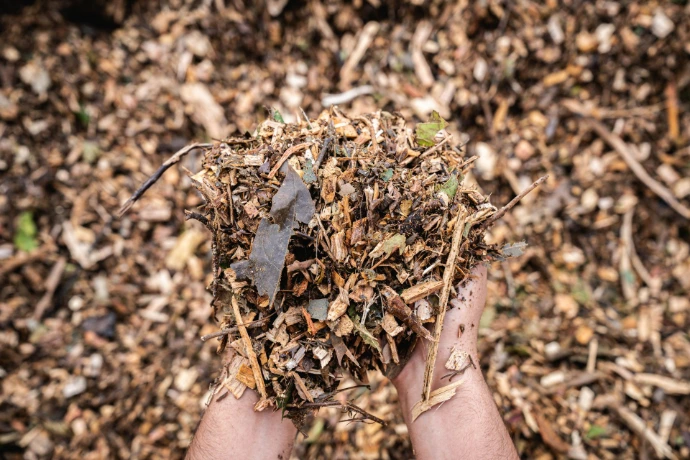
Made from tree lopping and pruning offcuts.
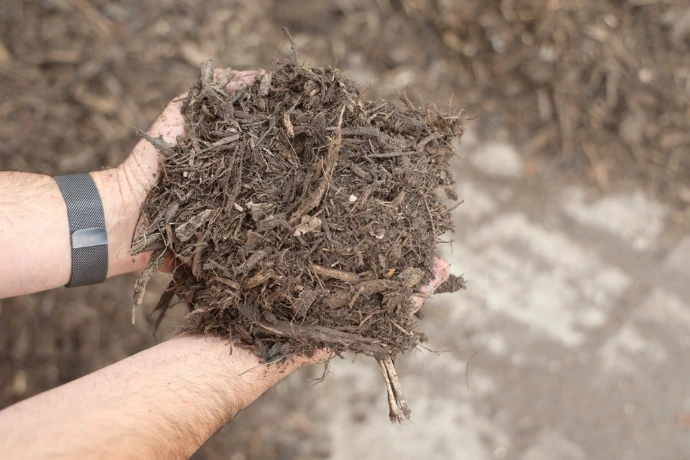
A coarser, dark natural mulch made from ground hard greens (not necessarily eucalyptus, despite the name).

Pea Straw Farm Bale and Sugar Cane Mulch Bale
Bale mulches that break down to add organic matter as they go.
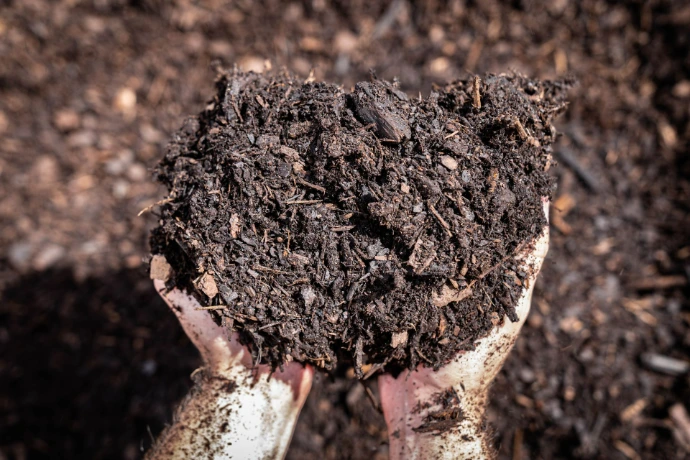
Purpose-built to cut down on evaporation.
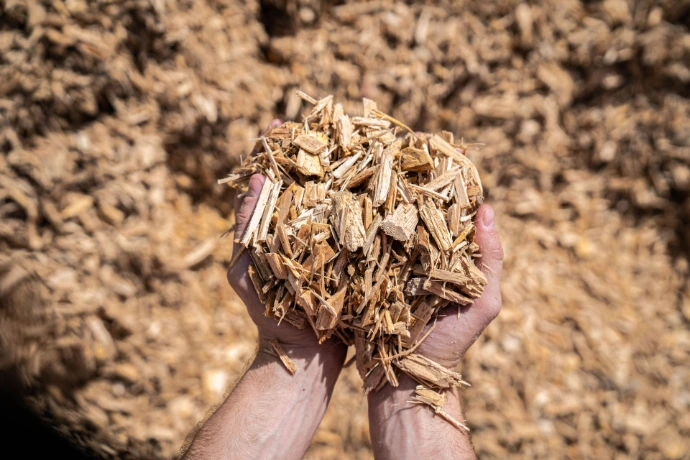
Certified soft-fall mulch for playgrounds.
Want the full rundown? Our full guide to picking the best mulch covers every option, and what mulch is best for native plants if that's your project.
Browse the full mulch range online.
Daisy's Pebbles and Rocks Range
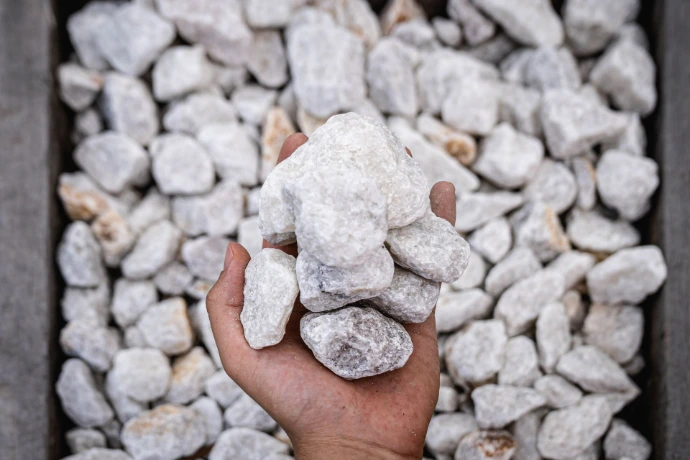
A white marble aggregate for a clean, bright finish. Available in a 20mm and 30-50mm.
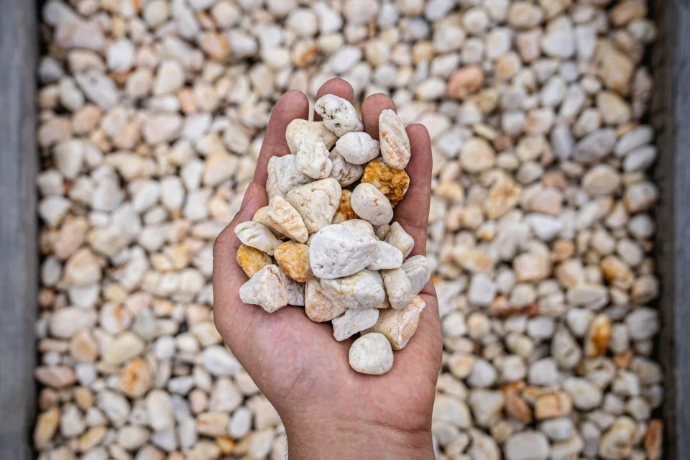
A cream and light brown pebble option for smaller-scale garden bed work.
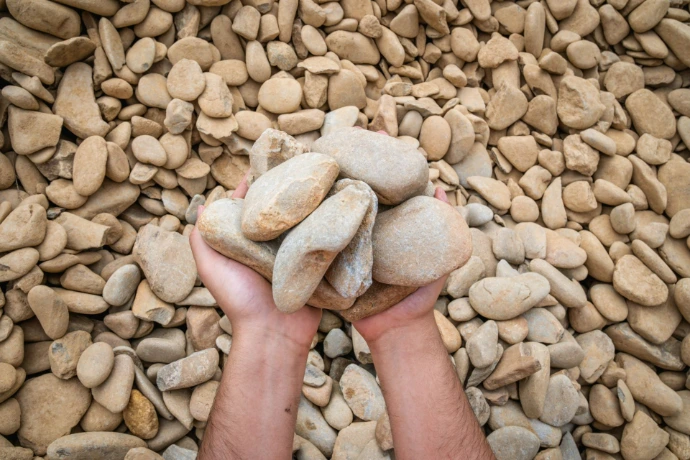
Alpine River Pebbles & River Rocks
Screened for consistent colour and size at 25-50mm and 50-150mm. The River Rocks come in sizes upwards of 100mm.
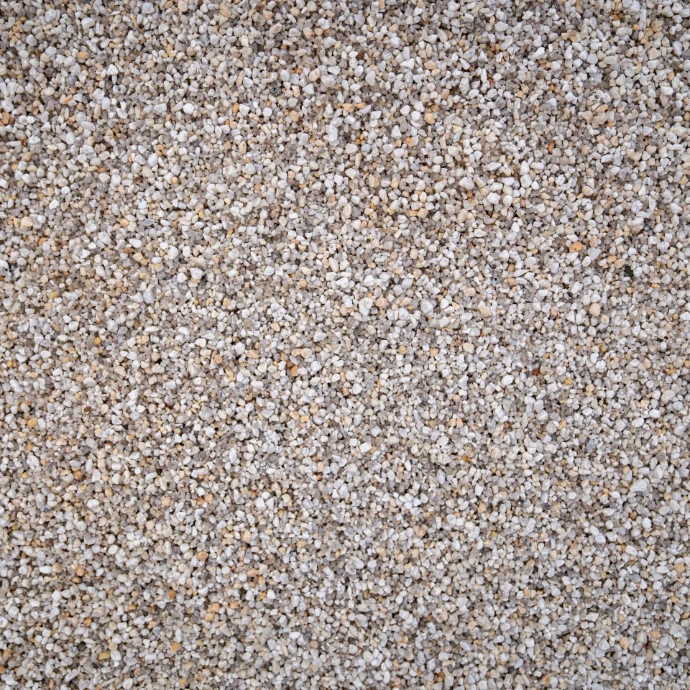
A small, 5-7mm round pebble, in a creamy beige colour.
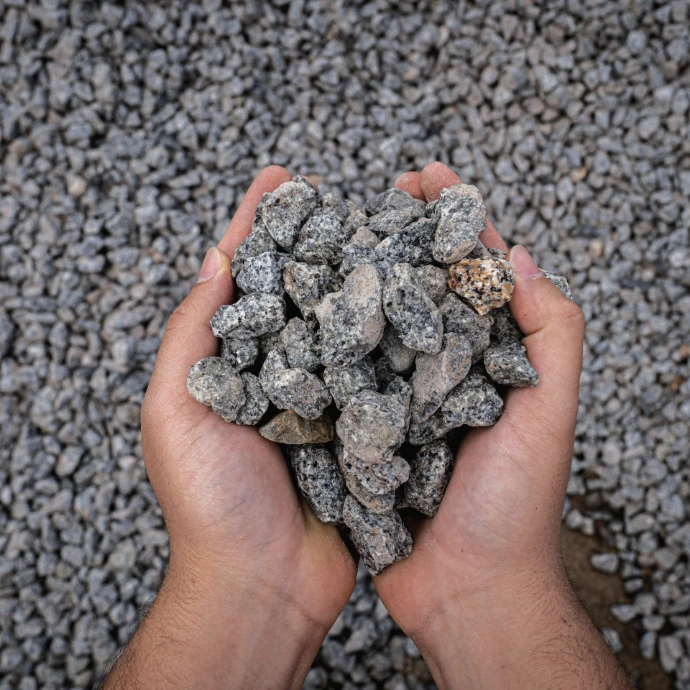
Free-draining silver granite screening, used as a decorative mulch in garden beds or on paths and driveways.
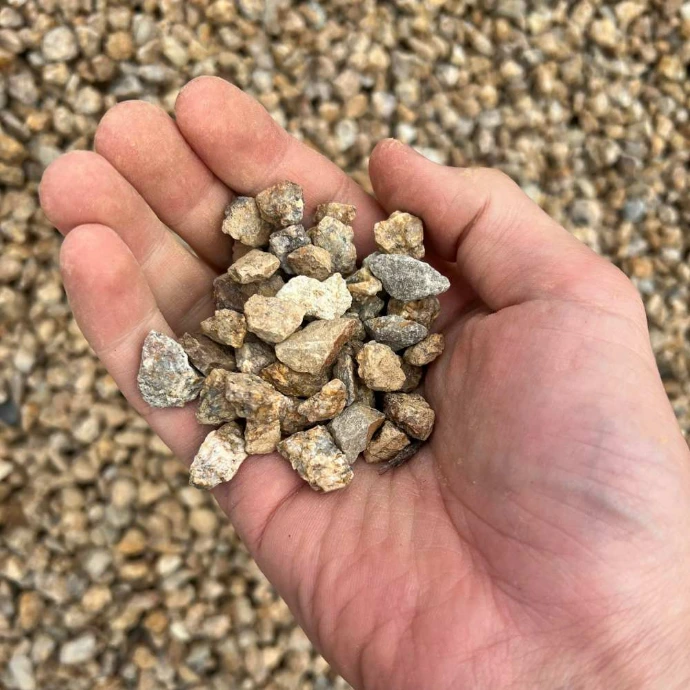
The same free-draining screening in a warmer brown tone.
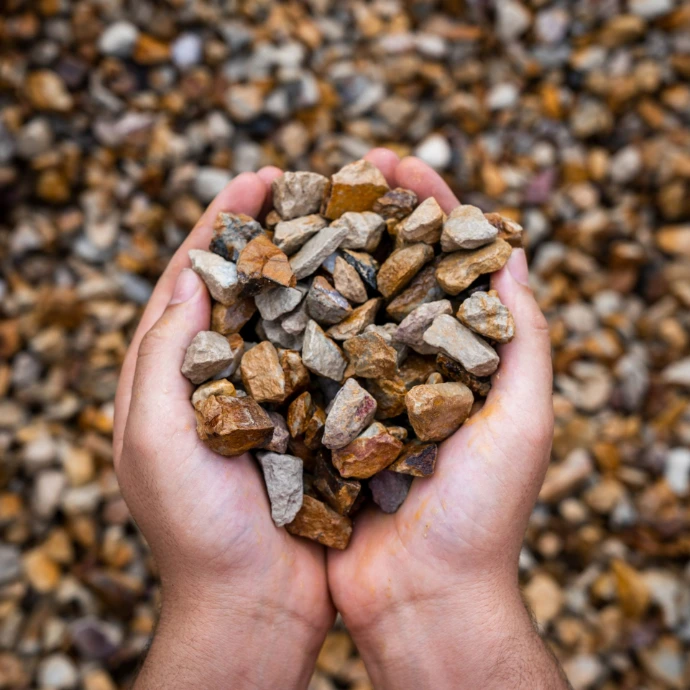
A decorative sandstone aggregate, also free-draining and doesn't compact. Available in 20mm and 40mm sizes.
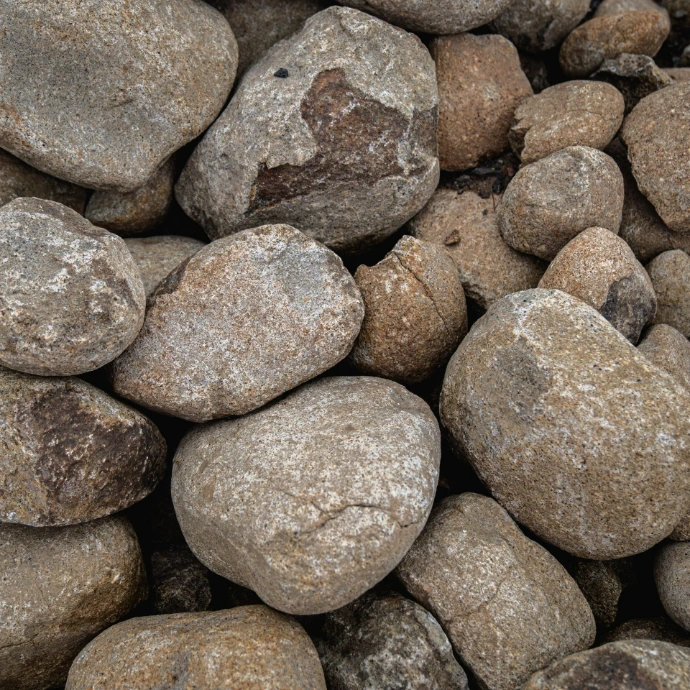
Mudstone, Moss Rocks and Granite Marble are larger rocks ideal for rock walls and landscaping features. Available at our Carrum Downs and Torquay stores.
These products are available in both bulk and bagged sizes, like our mulches.
Browse the full pebbles and rocks range online, or check our volume calculator if you're not sure how much to order.
Frequently asked questions
Here are some common questions about mulch and rocks.
Whilst bag sizes and weight can vary across different products, a cubic meter is approximately 40 bags. Our volume calculator is the fastest way to work out exactly how much you need for your job.
Yes. A common approach is mulch in garden beds and veggie patches, where you want the soil fed, and rock in pathways, borders or low-maintenance zones where you don't want ongoing upkeep.
It can. Rock absorbs and holds heat more than organic mulch, so it's worth being cautious using it right up against heat-sensitive plants in full summer sun. It's less of an issue in shaded spots or around hardier, drought-tolerant planting.
We recommend topping up organic mulches every 1-2 Years, depending on the type and how thick it was laid. Rock, by contrast, essentially never needs topping up.
Get the Right Ground Cover for Your Garden
Whether you're after a trailer load of pine bark for a veggie patch or a low-maintenance rock border that'll outlast the fence, Daisy's stores across Melbourne, Geelong and Torquay carry the full range in bulk and bagged sizes. Shop our mulch range or shop our pebbles and rocks range online, or drop into your nearest store and our team will help you get it right.